Nashik Case: Gaps in POSH Compliance explained
The Nashik case dominated headlines in 2026, drawing national attention to serious allegations of sexual harassment, intimidation, stalking, coercion, and workplace retaliation at a BPO office in Nashik. In its fact-finding report released on 11 May 2026, the National Commission for Women reportedly found evidence of pervasive sexual harassment, systemic bullying, and a complete lack of PoSH compliance. A key learning from the Nashik case for PoSH governance is that a formal policy on paper is not enough; the system around it must be genuinely independent, responsive, and accountable. Some of the key issues highlighted in the Nashik case by the NCW report are as follows:
- A single IC covered both the Pune and Nashik offices of the organisation. There was no visible presence in the Pune office.
- There was blurring of roles between line management, HR, and the Internal Committee. PoSH issues were reportedly handled as “HR problems”, allowing unsafe behaviours to persist.
- Repeated complaints, emails, and verbal grievances were reportedly ignored, highlighting failures in escalation and response mechanisms.
- Major compliance gaps, including lack of awareness programmes for employees, non display of PoSH awareness posters among others.
Maharashtra PoSH Audit: A PoSH compliance wake-up call
Following the Nashik incident, the Maharashtra State Commission for Women ordered a PoSH audit for all government, semi-government, and private workplaces. The audit is to check whether workplaces are actually complying with the PoSH Act and whether Internal Committees are properly formed and functioning.
As per the official circular, the PoSH audit seeks to examine whether organisations have the following:
- Updated PoSH policy that is accessible, communicated to employees, and applicable to remote work settings.
- Internal Committee in line with PoSH Act, 2013
- Annual Report submitted to the District Officer
- Proof of PoSH Awareness sessions conducted
- Proper documentation is maintained for complaints, if any.
- Multiple complaints channels
- SHeBox onboarding

PoSH limits clarified: Bombay High Court quashes reprimand order
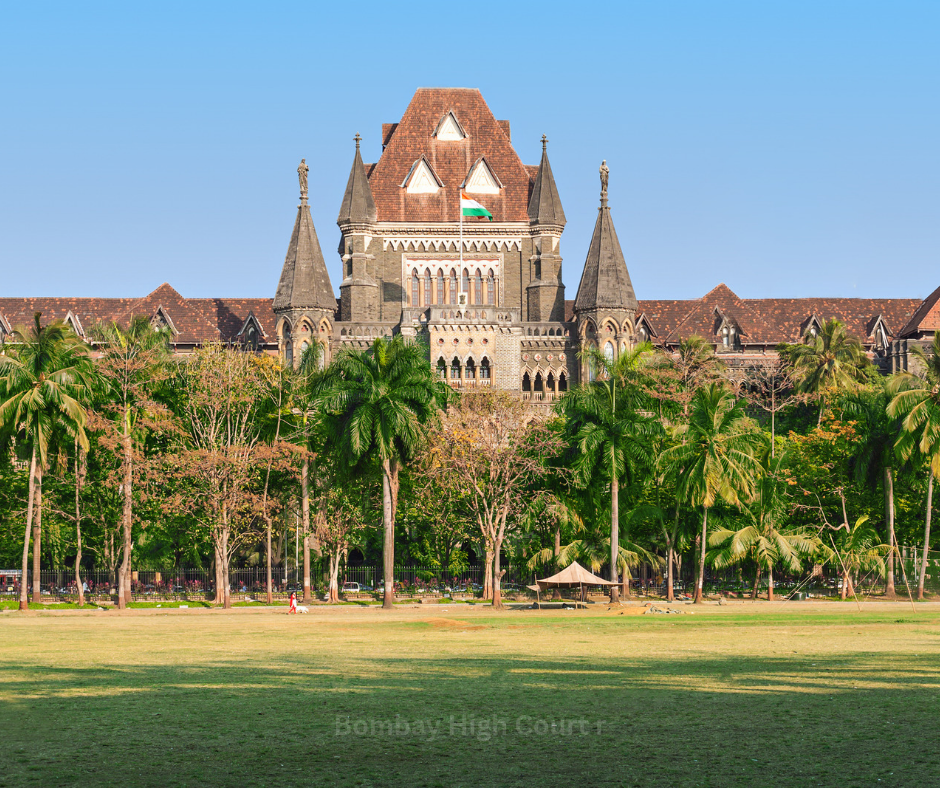
A January 2026 ruling in Mohinder Kumar v. Chairman, NABARD clarified that an Internal Committee cannot recommend disciplinary action if sexual harassment is not established. In this case, although the IC found no sexual harassment, it recommended a reprimand for "improper behaviour. "The Court held that the IC had exceeded its jurisdiction, reaffirming that PoSH proceedings are limited to addressing sexual harassment and not general workplace misconduct.

Court invalidates IC inquiry over due process lapses
The Kerala High Court in the case X v. Kerala Social Security Mission recently examined whether the IC inquiry stood invalidated on account of procedural due process concerns. The court held that the IC inquiry was vitiated because the accused was neither given the complaint copy nor a proper opportunity to cross-examine witnesses. The Court set aside the IC report and directed a fresh inquiry within two months, while not deciding the merits of the harassment allegations themselves. The Court relied on Section 11 of the PoSH Act and Rule 7 which require notice of the complaint, opportunity to file a reply. The court also held that the accused must know the case against them and get a fair chance to present their version. The court found that not doing so amounted to breach of natural justice and PoSH Rules.
On the training trail...
This year alone, Sol has trained over 250+ employees. Most sessions were intimate in size, but their impact has been far-reaching.
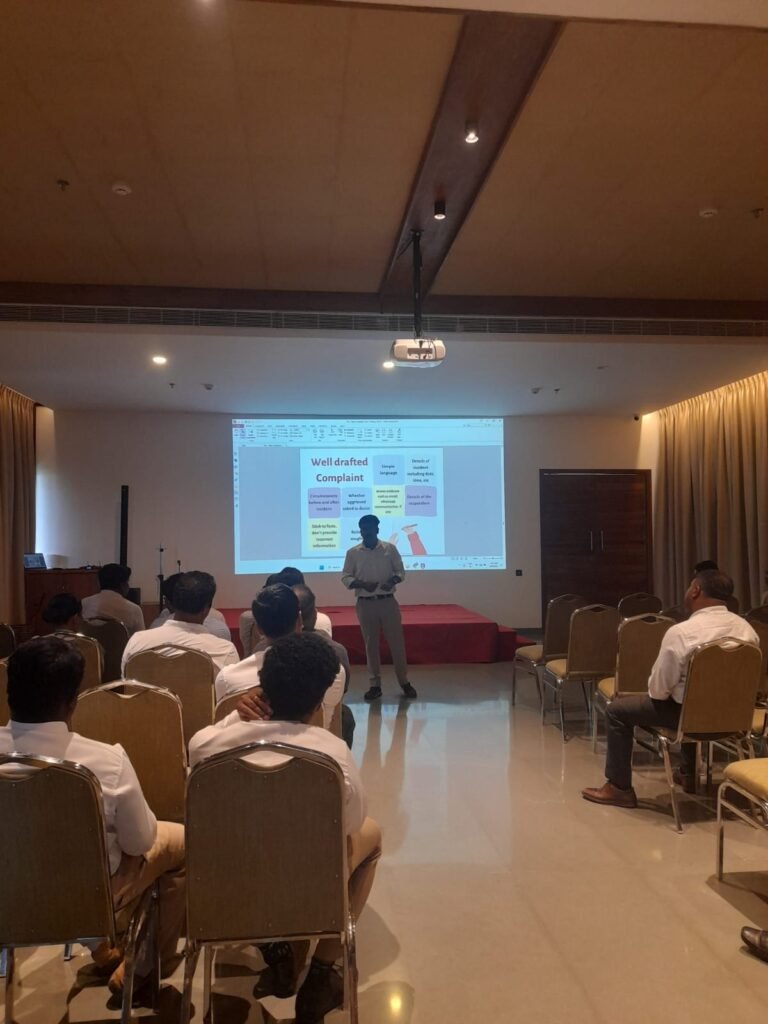
Adv. Sarath delivering the PoSH awareness session at Mountain Shadows Resort, Wayanad
One of our most rewarding journeys this year took us to Mountain Shadows Resort, Wayanad where Adv. Sarath conducted an employee PoSH awareness session. Distance and terrain were no barriers; the commitment to building safer workplaces made the journey worthwhile.